
The Lunch Crunch

The Time Provided to Students for Lunch is Insufficient
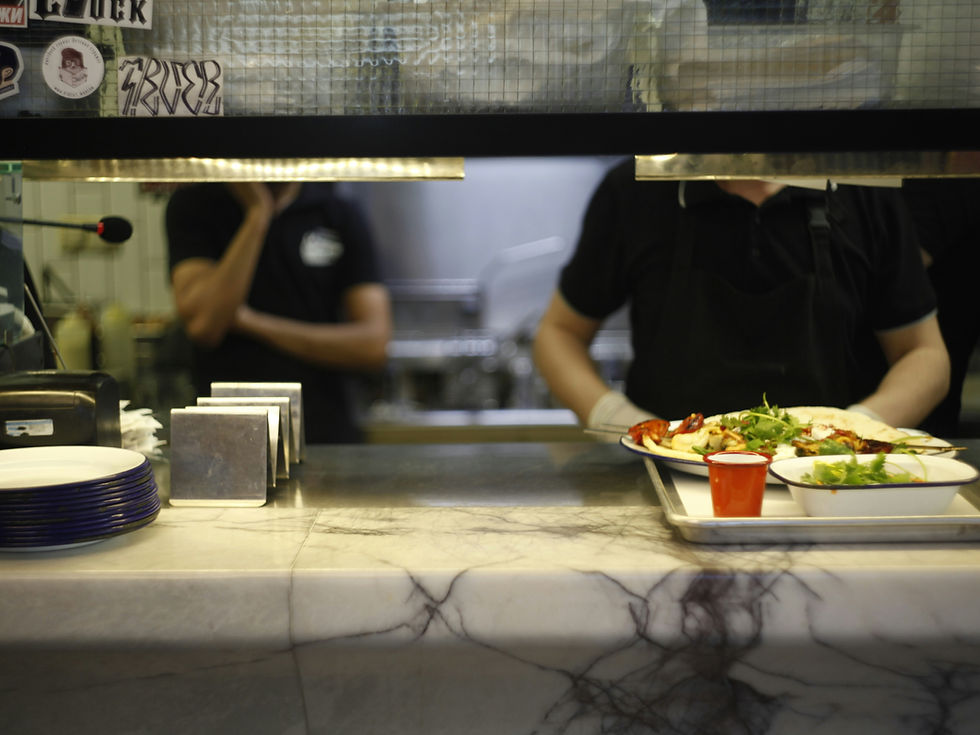
For many students, lunch is supposed to be a break. It’s a chance to eat, recharge and socialize before returning to class. With only 40 minutes scheduled between 12:35 p.m. and 1:15 p.m., that break often feels rushed. Between walking, waiting in lines and leaving campus, the window to actually sit down and eat is not sufficient. As a result, students are left balancing time, stress and safety just to fit in a basic meal.
Upperclassmen are allowed to go off campus, which offers flexibility and variety compared to on-campus options. For some, the freedom works well. Others, however, say the short timeframe creates unnecessary stress.
“Yes, I think lunch is too short. Every time I try to go off campus I always have anxiety that I am going to be late. I think we just need 5 more minutes,” junior Madelyn Singleton said.
Time quickly disappears for students who leave campus. Driving to nearby restaurants can take up to seven minutes each way, not including traffic. Walking to parking lots adds additional minutes. By the time students pick up their food, many are left with only five to 10 minutes to eat before heading back.
“The lunch duration makes people speed and students are more prone to car accidents,” junior Connor Thumm said.
Students who remain on campus are also facing a time crunch. Long cafeteria lines and the walk to the dining hall can significantly cut into lunch time. Walking may take three to five minutes depending on the class location, and waiting in line can take 10 minutes or more. This leaves some students with 20 minutes or less to eat. That time shrinks even further for students attending club meetings or academic sessions during lunch.
“I pack a lunch because it’s not enough time to wait in the lunch line and eat after,” freshman Anna Pace Kinny said.
If off-campus lunch privileges were removed, the current system could become even more constraining. The cafeteria would need to accommodate a larger number of students, likely increasing wait times and limiting available seating across campus.
Beyond convenience, the limited lunch period can also affect student well-being. Rushed meals can make it difficult for students to eat enough or make healthy choices, especially when time pressures push them toward faster, less balanced options.
Students also lose valuable time to decompress socially, which many say is an important mental reset during the school day.
“Lunch is your time during the day to relax and enjoy time with your friends uninterrupted,” upper school teacher Stephanie Amidon said. “All of that is mentally therapeutic.”
Students say the rushed pace affects the overall experience of lunch.
“There’s not enough time to eat comfortably. You have to rush,” senior Max Ramsy said.
For underclassmen, who typically remain on campus, the issue is also significant. Without the option to leave, they must navigate crowded lines and limited seating, making it harder to use lunch as a true break.
Still, not all students see the issue the same way. Some say the current system works if students plan ahead. Senior Claire Smith said that ordering food online helps save time.
“Since we order our food online most of the time, all we have to do is pick it up. We can either eat in our cars if it’s far from school, or eat at the restaurant. I never feel like I don’t have enough time since we have so many restaurants close to Maclay,” Smith said.
Some methods suggest that there are ways students can plan efficiently.
“I think lunch is an appropriate amount of time. You can go and sit down at all of the close places. If you want to go somewhere further you still have time to go and pick it up,” Oberste said.
However, recent school policies may limit those time-saving strategies. With phones locked in pouches and restrictions on laptop use without teacher permission, some students are not able to order food in advance during the school day. That removes one of the main ways students have adapted to the short lunch period.
Without the ability to plan ahead digitally, students are once again reliant on physical lines and travel time, which reinforces the time crunch. What works for some under ideal conditions may not be realistic for all students under current rules.
Ultimately, the lunch duration should be extended. While some students have adapted to the 40-minute window, others continue to feel rushed, stressed and, in some cases, unsafe.
Adding five or 10 minutes to the lunch period could make a big difference. A slightly longer break would allow students more time to eat without rushing, reduce pressure to speed when leaving campus and ease congestion in cafeteria lines. It could also give students an opportunity to relax and reset before returning to class.
As schedules continue to change alongside new school policies, the lunch period remains a small but significant part of the school day.


Letra Diferente é uma excelente escolha para quem deseja destacar textos em redes sociais. Crie mensagens criativas e personalize conteúdos utilizando estilos únicos e modernos facilmente.
Reading the post about the lunch crunch made me laugh and think about how stressful it can feel when food runs out faster than you expect at an event. It reminded me of a school lunch queue where everyone seemed hungry and impatient. I once used finance assignment help while trying to figure out budgeting topics during a hectic study week. That experience made me see how planning ahead can make both meals and studies less stressful.